29 Apr 2026
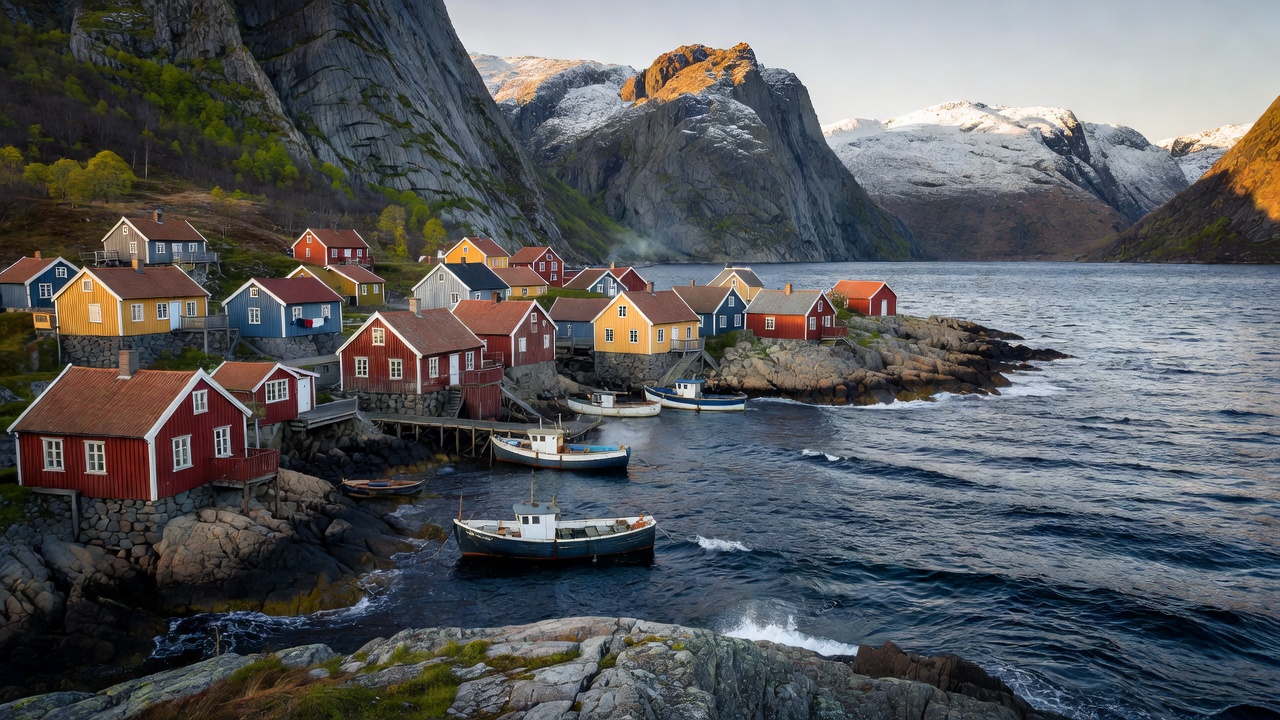
Barrelfjord presents a range of natural features that reward careful observation throughout the seasons. Visitors benefit from understanding the patterns of water movement, wildlife activity, and light conditions that define the area.
Marine Activity and Water Patterns
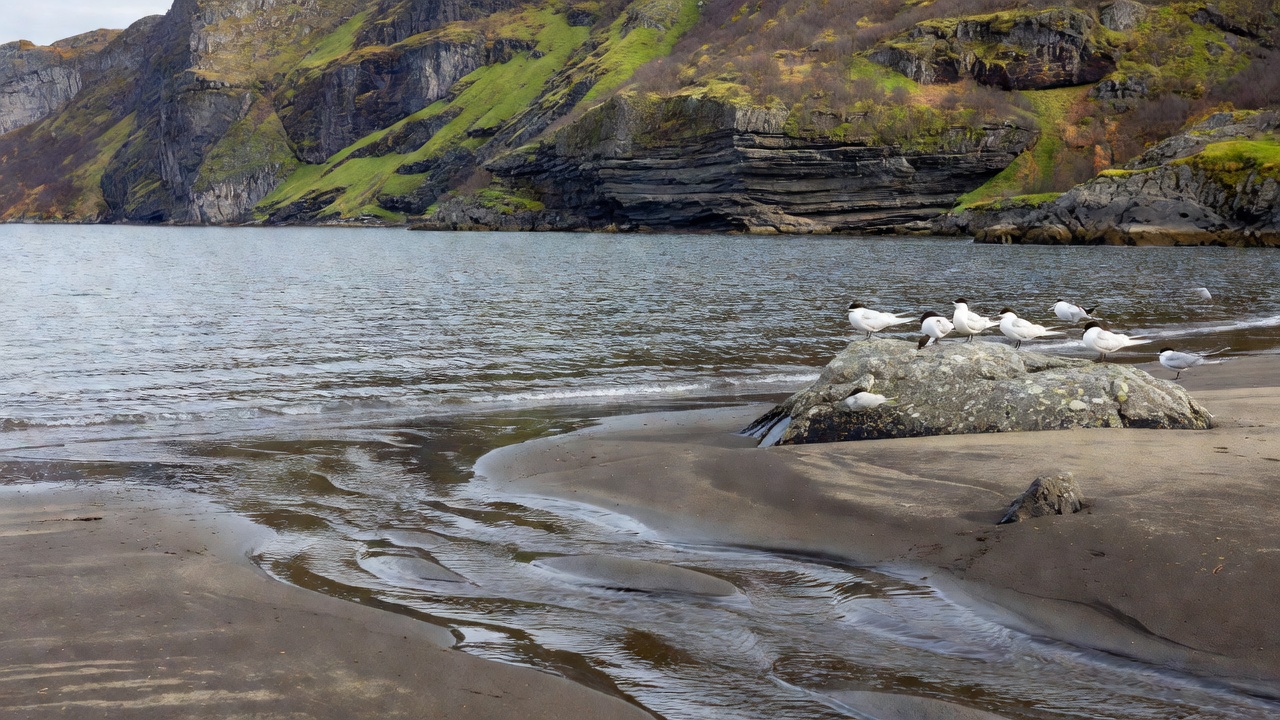
The fjord's tides create predictable cycles that influence marine life. Low tide exposes rocky shores where small crustaceans and algae become visible. During higher tides, schools of fish often move closer to the surface, attracting larger predators. Calm mornings frequently reveal subtle ripples indicating the presence of seals or otters near the shoreline. Observers should note wind direction, as it affects wave patterns and water clarity. Overcast days can enhance visibility of underwater structures by reducing surface glare.
Wildlife and Bird Sightings
Barrelfjord supports several resident and migratory bird species. Eagles commonly perch on elevated rocks during early morning hours, scanning for fish. Wading birds gather along mudflats at dawn and dusk. Seasonal migrations bring flocks of geese and ducks in spring and autumn. Mammals such as deer occasionally appear along the tree line, particularly near dusk. Quiet movement along established paths increases the likelihood of sightings without disturbing the animals. Binoculars help identify distant individuals while maintaining a safe distance.
Light and Atmospheric Conditions
Seasonal changes in daylight affect the fjord's appearance. Summer brings extended twilight that softens the landscape and highlights distant peaks. Winter offers opportunities to observe frost formations on vegetation and occasional ice along sheltered bays. Clear nights may reveal stars reflected on the water surface. Fog can roll in quickly from the sea, altering visibility and creating layered views of the terrain. Regular monitoring of local weather patterns helps anticipate these shifts and plan outings accordingly.
Consistent observation over multiple visits reveals subtle variations tied to weather systems and lunar cycles. Recording notes on timing and conditions builds a personal reference for future trips. Respect for the environment ensures these features remain accessible for continued viewing.