23 Oct 2026
Inside the Push and Pull of Visitor Economies in Remote Northern Villages
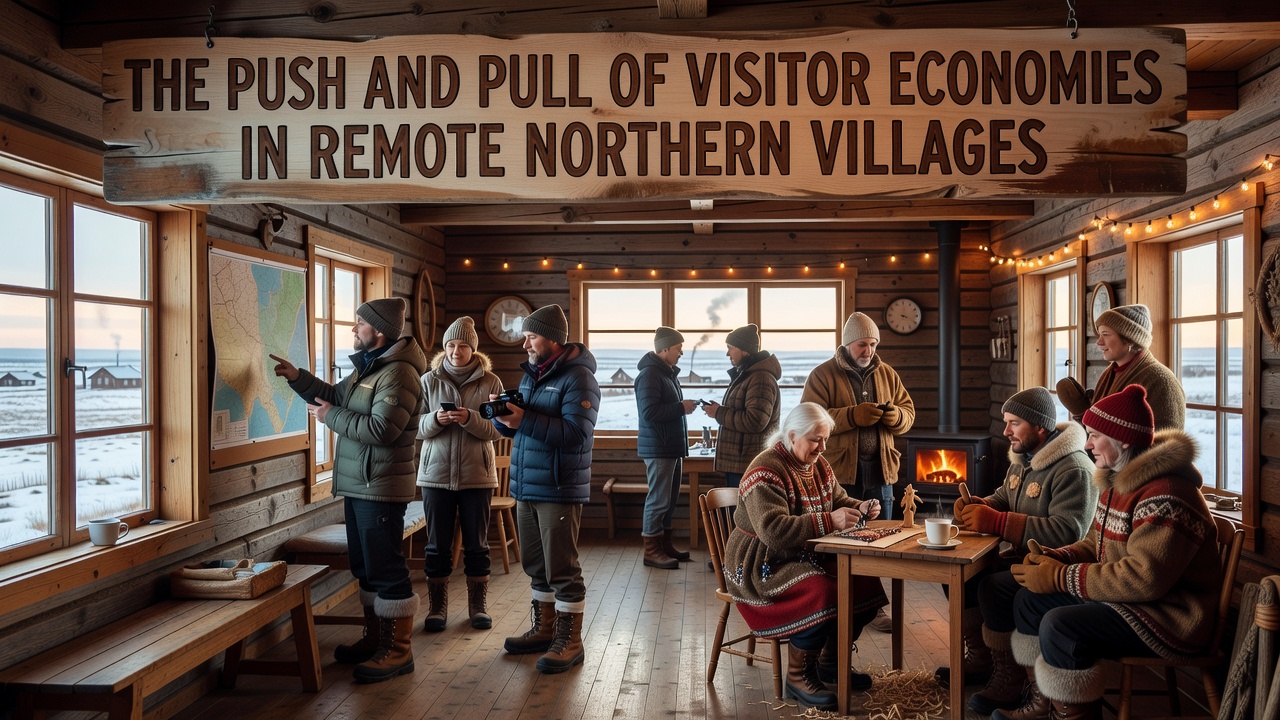
Remote northern villages have long balanced traditional livelihoods with emerging visitor economies, and the interplay creates distinct push and pull dynamics that shape community development. Researchers document how economic pressures from declining fisheries or resource extraction push local governments toward tourism diversification, while natural landscapes and cultural heritage pull travelers seeking authentic experiences. Data from multiple Arctic regions shows visitor numbers rising steadily through the 2020s, with seasonal peaks aligning to summer months and winter aurora events.
Economic Drivers Behind the Push
Traditional industries in places like coastal Canada and northern Scandinavia face structural challenges that encourage communities to explore tourism revenue streams. Statistics Canada reports indicate that many small settlements in Nunavut and the Northwest Territories experienced population outflows until tourism-related jobs began offsetting losses in mining support roles. Local administrations often redirect infrastructure funding toward visitor facilities such as docks, trails, and interpretive centers because these investments serve both residents and seasonal arrivals. One study from the University of Tromsø tracked how villages in Finnmark county shifted municipal budgets after cod quotas tightened, revealing measurable increases in hospitality employment within three years of initial tourism promotion campaigns.
Pull Factors Attracting Visitors
Stunning geography and living cultural traditions draw people to these isolated locations despite limited road access and high travel costs. Northern lights viewing packages, wildlife tours, and participation in seasonal festivals generate direct spending that circulates through family-run lodges and guiding services. Figures from regional tourism boards show that villages offering boat-based excursions to bird colonies or guided hikes on ancient migration routes achieve higher per-visitor revenue than those relying solely on passing cruise traffic. Observers note that authenticity matters: travelers frequently cite opportunities to observe reindeer herding practices or sample preserved food traditions as reasons for choosing smaller settlements over larger hubs.
Seasonal Patterns and Infrastructure Demands
Visitor flows concentrate in narrow windows that strain local capacity while leaving shoulder seasons quiet. October 2026 marks the start of several coordinated research initiatives across northern Canada and Norway that will monitor shoulder-season occupancy rates using new sensor networks installed in guest accommodations. These projects aim to quantify how extended daylight in early autumn and late spring might spread economic benefits more evenly. Communities report that sudden influxes require careful management of water treatment, waste collection, and emergency services, since most villages operate with minimal year-round staffing. Partnerships with transport operators have expanded ferry schedules during peak periods, yet residents still experience periodic shortages of fresh supplies when demand spikes.
Cultural and Environmental Interactions
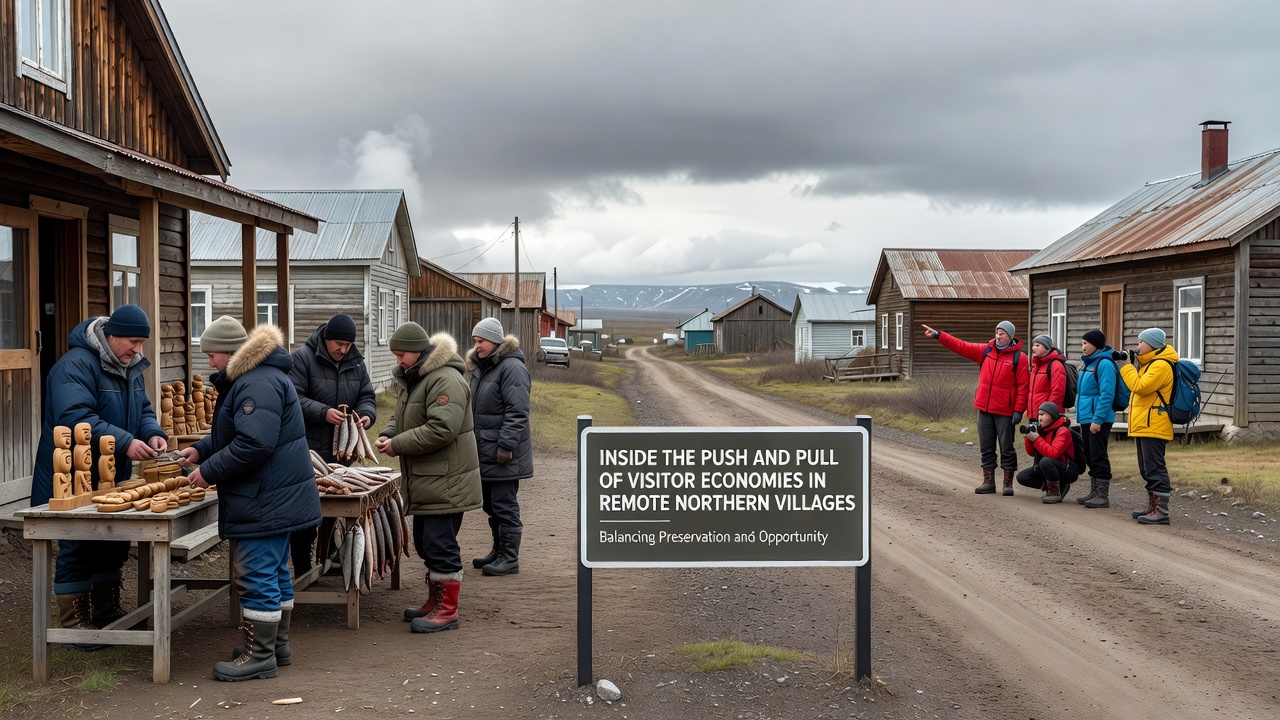
Interactions between visitors and residents produce both opportunities and frictions that communities navigate through formal guidelines. Many villages have established visitor codes developed in consultation with elders to protect sensitive sites and maintain daily routines. Research indicates that respectful engagement, such as purchasing crafts directly from makers or joining community-led storytelling sessions, strengthens local identity rather than diluting it. Environmental monitoring programs track trail erosion and wildlife disturbance, with data shared among neighboring settlements so adjustments can be made quickly. Those who manage these programs emphasize that limits on group sizes and designated paths reduce cumulative impacts while still allowing economic activity.
Policy Responses Across Regions
Governments at different levels have introduced frameworks that attempt to balance growth with preservation. In Canada, federal programs support training for local operators in sustainable practices, whereas Nordic countries coordinate through cross-border networks that share best practices on taxation and permitting. A report issued by the Arctic Economic Council highlights how revenue-sharing models allocate a portion of tourism levies back into cultural preservation funds, creating a feedback loop that reinforces community support for continued visitation. Observers note that villages succeeding in these efforts typically maintain active local tourism committees that include representatives from fishing cooperatives, schools, and health services.
Looking Ahead
Projections through the late 2020s suggest continued expansion provided communities retain decision-making authority over development pace. Initiatives planned for October 2026 include updated carrying-capacity assessments that incorporate climate-related changes to sea ice and permafrost, which affect both access routes and site stability. Villages that integrate these assessments into long-term planning stand positioned to capture benefits while mitigating risks associated with overtourism. Evidence from earlier pilot programs demonstrates that transparent communication between operators, residents, and external partners reduces conflicts and sustains the distinctive character that initially attracts visitors.
Conclusion
The push and pull of visitor economies in remote northern villages reflects ongoing negotiations between economic necessity and cultural stewardship. Data continues to show that outcomes depend heavily on local governance structures and the degree to which communities shape tourism policies rather than reacting to external pressures. As monitoring efforts expand in coming years, patterns emerging from October 2026 studies will likely inform adjustments that keep these settlements viable while preserving the qualities visitors seek.