9 Jun 2026
Barrelfjord stands as an example of how specific fjords contribute to the understanding of larger coastal environments. Its position and features offer a lens through which to examine geological history, ecological dynamics, and regional interactions.
Geological Formation and Features
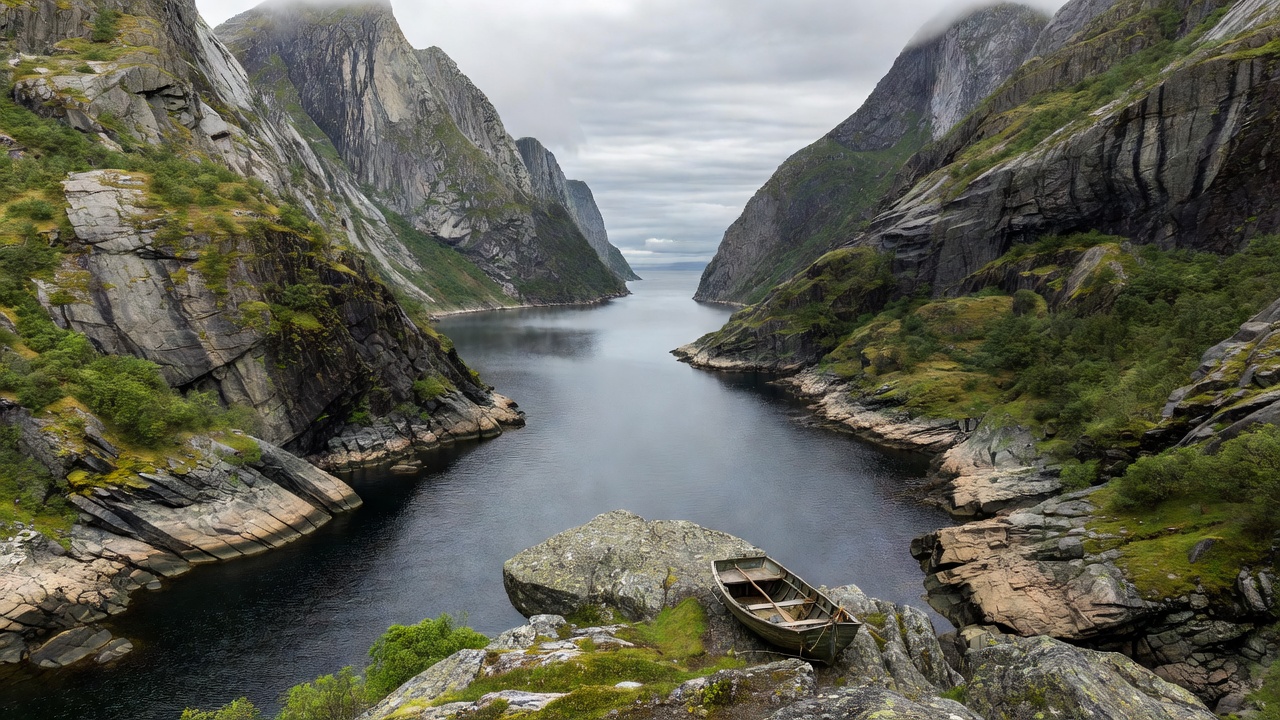
The origins of Barrelfjord trace to the last ice age, where massive glaciers sculpted the terrain. As the ice retreated, rising sea levels filled the valley, creating the fjord seen today. This natural carving resulted in steep cliffs and a deep central channel that reaches significant depths.
Rock compositions around Barrelfjord include gneiss and schist, materials that resist weathering to a degree, preserving the sharp profiles. Sediments deposited over time at the fjord floor provide records of past climate conditions, useful for scientific study.
Ecological Role in the Region
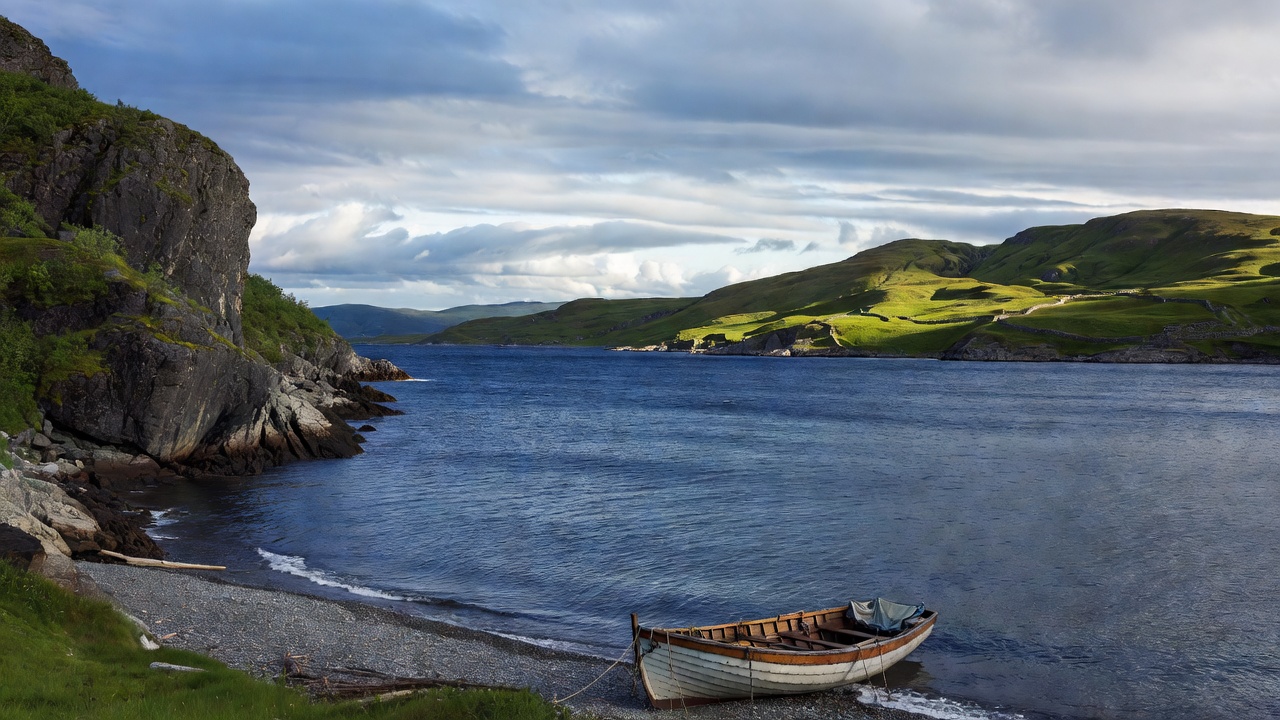
Within the marine environment, Barrelfjord supports a variety of species adapted to cold, nutrient-dense waters. The mixing of freshwater inflows with saltwater creates zones of high productivity. This supports fisheries that depend on healthy populations of cod and herring.
Bird colonies nest along the shores, relying on the fjord for feeding grounds. Changes in ocean currents can impact these populations, underscoring the need for monitoring environmental shifts.
Broader Contextual Significance
Barrelfjord fits into patterns observed across similar waterways worldwide. Comparisons with other fjords reveal shared traits in biodiversity and sediment transport. This contextual view aids in predicting responses to global phenomena like rising temperatures.
Exploration of Barrelfjord enhances appreciation for the intricate relationships in natural landscapes, emphasizing preservation for future generations.